
Navigating the Web: A Safe Path to Online Tramadol Purchases

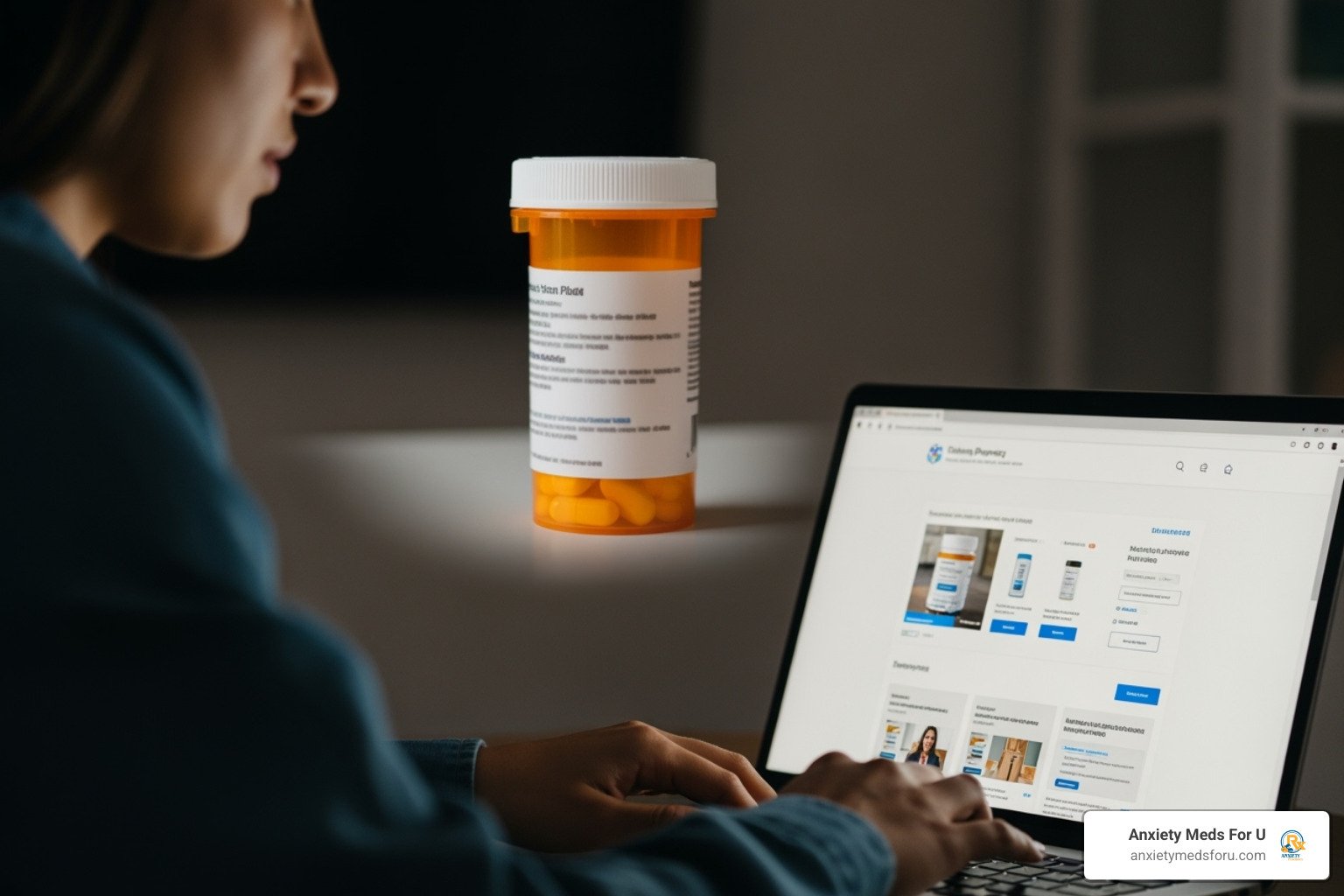
Understanding the Need for Safe Online Tramadol Access
When you need to purchase tramadol online, finding a safe and reliable source is crucial for your health and safety. Tramadol is a prescription opioid pain medication used to treat moderate to severe pain, but the process of obtaining it through traditional channels can be costly, time-consuming, and sometimes inaccessible.
Quick Guide to Purchasing Tramadol Online Safely:
- Verify the pharmacy – Look for proper licensing and contact information
- Check for prescription requirements – Legitimate sources require valid prescriptions
- Ensure secure payment – Look for SSL encryption and secure checkout
- Read customer reviews – Check independent review sites for pharmacy reputation
- Confirm medication authenticity – Verify proper packaging and labeling
- Understand legal requirements – Tramadol is a Schedule IV controlled substance in the US
The regulatory landscape around tramadol has evolved significantly. As noted by Health Canada, tramadol was moved from the Prescription Drug List to Schedule I of the Controlled Drugs and Substances Act in March 2022, reflecting growing concerns about its potential for abuse and dependence. This change means stricter controls and no more verbal prescriptions or refills – patients now need written prescriptions and regular medical reassessment.
Despite these regulatory changes, many people still struggle with high prescription costs and limited access through traditional healthcare systems. Online pharmacies can offer a solution, but only when approached with proper knowledge and caution. Navigating this complex world requires careful guidance, as having the right information when you purchase tramadol online can mean the difference between safe, effective treatment and serious health risks.

Understanding Tramadol: Uses, Forms, and Dosages
When you’re dealing with pain that just won’t quit, understanding what tramadol actually is can help you make informed decisions about your treatment. Tramadol is a synthetic opioid analgesic – essentially a pain-relieving medication that works through your central nervous system to help manage moderate to severe pain.
What makes tramadol particularly interesting is how it tackles pain from two different angles. Unlike many other pain medications, tramadol has a dual mechanism of action that sets it apart from the crowd. First, it binds to opioid receptors in your brain and spinal cord, which changes how your body perceives pain signals. But here’s where it gets clever – it also affects two important brain chemicals called serotonin and norepinephrine, blocking their reuptake and enhancing the pain-relieving effects.
This unique approach means tramadol can be effective for various types of pain, whether you’re recovering from surgery, dealing with an injury, or managing chronic conditions like osteoarthritis. The prescribing information from DailyMed provides detailed technical information about how tramadol works in your system.
Available Strengths and Formulations
Just like choosing the right tool for a job, selecting the appropriate tramadol strength and formulation is crucial for effective pain management. The medication comes in several different strengths to match your specific needs and pain levels.

The most commonly prescribed strengths include 50mg, 100mg, and 200mg tablets. These come in two main formulations that work quite differently:
Immediate-release (IR) tablets are designed to get to work quickly, releasing the medication into your system for faster pain relief. These are typically taken every 4 to 6 hours as needed, making them ideal for breakthrough pain or when you need relief right away.
Extended-release (ER) capsules and tablets take a different approach, slowly releasing the medication over many hours to provide sustained pain relief throughout the day. This formulation is usually taken once or twice daily, which can be incredibly convenient if you’re managing chronic pain and want consistent relief without constantly watching the clock.
When you purchase tramadol online, you’ll find options like Tramadol 50mg and Tramadol 100mg readily available. Some pharmacies also carry Tramadol 200mg for patients who require higher doses under medical supervision.
Recommended Dosages and Administration
Getting your tramadol dosage right isn’t just about pain relief – it’s absolutely critical for your safety. The appropriate dose varies significantly from person to person, depending on your pain severity, how your body responds to the medication, and your overall health condition.
For immediate-release tablets, doctors typically start conservatively with a low dose to help your body adjust. A common starting approach involves beginning with 25mg daily, then gradually increasing by 25mg to 50mg every three days until reaching an effective dose of 50-100mg every 4 to 6 hours. The maximum daily dose for immediate-release tramadol is generally 400mg per day.
Extended-release formulations follow a different pattern, often starting at 100mg daily and potentially increasing by 100mg increments every five days. However, the daily limit for extended-release tramadol is typically 300mg per day – lower than the immediate-release version because of how it’s absorbed.
Here’s something important: you can usually take tramadol with or without food, which makes it convenient to fit into your daily routine. However, if you’re taking extended-release tablets, you must swallow them whole – never crush, chew, or break them apart, as this can cause a dangerous rapid release of the medication.
Consistency matters tremendously with tramadol. Taking your doses at the same times each day helps maintain steady pain relief and reduces the risk of breakthrough pain. This routine becomes especially important if you’re managing chronic conditions.
Following medical advice isn’t just a suggestion – it’s essential for safe and effective treatment. Your healthcare provider will monitor your response and adjust your dosage as needed. For comprehensive guidance on safe medication use, you can explore more on drug information & safety to better understand how to use tramadol responsibly.
Key Safety Information: Risks, Side Effects, and Precautions
Let’s be honest – while Tramadol can be your best friend when pain strikes, it’s not without its complexities. Think of it like that friend who’s incredibly helpful but comes with a few personality quirks you need to understand. Tramadol is classified as a controlled substance in many regions, including a Schedule IV controlled substance in the US. Recent changes in Canada have moved it to Schedule I of the Controlled Drugs and Substances Act, highlighting growing concerns about its potential for misuse and dependence.
The FDA has issued important warnings about Tramadol’s use, particularly concerning serious risks like respiratory depression and neonatal opioid withdrawal syndrome. This isn’t meant to alarm you, but rather to ensure you’re fully informed before you purchase tramadol online or through traditional channels. Knowledge is your best defense against potential complications. For essential guidance, the CDC provides valuable information on preventing an opioid overdose.

Potential Side Effects of Tramadol
Like most medications, Tramadol can cause side effects, and while many are manageable, it’s important to know what to expect. The good news? Most common side effects are temporary and tend to improve as your body adjusts to the medication.
The most frequently reported side effects include nausea (affecting up to 40% of users), dizziness (up to 33%), and constipation (up to 46% – yes, it’s that common!). You might also experience headaches (up to 32%), drowsiness (up to 25%), or vomiting (up to 17%). Other common effects include dry mouth and sweating, which can be bothersome but are generally not dangerous.
However, some side effects demand immediate medical attention. Seizures are a serious concern, especially at higher doses or if you have a history of seizures. Tramadol can lower your seizure threshold, making these episodes more likely. Serotonin syndrome is another potentially life-threatening condition that can occur when Tramadol interacts with other medications that affect serotonin levels. Watch for symptoms like agitation, hallucinations, rapid heart rate, fever, muscle stiffness, or severe nausea.
Dangerously slow breathing (respiratory depression) is perhaps the most serious risk with any opioid. If you notice shallow breathing, extreme drowsiness, or unresponsiveness in yourself or someone taking Tramadol, seek emergency medical help immediately. Other serious effects can include severe allergic reactions, low blood pressure (especially when standing up quickly), and with long-term use, low adrenal hormone levels.
Risks of Addiction, Dependence, and Overdose
Here’s where we need to have a frank conversation about the elephant in the room. Tramadol, being an opioid analgesic, does carry real risks of addiction, physical dependence, and overdose. While it may have a somewhat lower abuse potential compared to stronger opioids like oxycodone, these risks are very real and shouldn’t be minimized.
Physical dependence can develop even when taking Tramadol exactly as prescribed. Your body becomes accustomed to the medication, and stopping suddenly can trigger withdrawal symptoms ranging from anxiety and sweating to more severe complications like hallucinations or seizures. This is why doctors always recommend gradually reducing your dose under medical supervision rather than stopping cold turkey.
Tolerance is another concern – over time, you might find that your usual dose doesn’t provide the same pain relief it once did. This natural adaptation can contribute to dependence and may tempt some people to increase their dose without medical guidance, which is dangerous.
Overdose is a life-threatening emergency. Signs include extreme drowsiness, pinpoint pupils, slow or shallow breathing, cold and clammy skin, and loss of consciousness. Tramadol overdoses can also trigger seizures, making them particularly complex to treat. In Canada, between 2006 and 2017, Tramadol was suspected to have contributed to 18 reported deaths, underscoring the seriousness of this risk.
Pregnant women face additional concerns, as long-term Tramadol use can lead to neonatal opioid withdrawal syndrome in newborns, causing severe withdrawal symptoms after birth. For deeper insights into these risks, addiction risks are thoroughly explained by addiction specialists.
Important Safety Precautions and Drug Interactions
Staying safe with Tramadol isn’t complicated, but it does require attention to detail and honest communication with your healthcare provider. Always consult your doctor before starting Tramadol, especially if you have a history of substance abuse, respiratory problems, kidney or liver disease, or mental health conditions.
Avoiding alcohol is non-negotiable. Combining Tramadol with alcohol dramatically increases drowsiness and the risk of dangerously slow breathing – it’s a combination that can turn deadly quickly. Similarly, driving and operating machinery should be avoided until you know exactly how Tramadol affects you, as it can cause dizziness, drowsiness, and impaired coordination.
Drug interactions are particularly concerning with Tramadol. Central nervous system depressants like benzodiazepines, other opioids, sedatives, and muscle relaxants can amplify drowsiness and respiratory depression. Antidepressants (SSRIs, SNRIs, TCAs) can increase the risk of serotonin syndrome when combined with Tramadol. MAO inhibitors are especially dangerous – taking Tramadol with or within 14 days of an MAO inhibitor can lead to potentially fatal reactions.
Safe storage means keeping Tramadol at room temperature, away from light and moisture, and completely out of reach of children and pets. When you no longer need the medication, dispose of it properly through a drug take-back program or follow FDA disposal guidelines to prevent misuse.
If you’ve been taking Tramadol regularly, gradual discontinuation under medical supervision is essential to minimize withdrawal symptoms. Never stop abruptly – your doctor can create a tapering plan that keeps you safe and comfortable throughout the process.
How to Safely Purchase Tramadol Online
The digital age has transformed how we access healthcare, and purchasing tramadol online has become an increasingly popular option for many people seeking pain relief. However, navigating the online pharmacy landscape requires the same caution you’d use when choosing any healthcare provider. Just like you wouldn’t trust your health to an unlicensed doctor, you shouldn’t trust your medication needs to an unverified online source.
The reality is that while legitimate online pharmacies can offer tremendous convenience and cost savings, the internet is also flooded with rogue operators selling counterfeit or dangerous medications. The difference between a safe purchase and a potentially harmful one often comes down to knowing what to look for and taking the time to verify your source.
Key Considerations When You Purchase Tramadol Online
When you’re ready to purchase tramadol online, there are several critical factors that separate trustworthy pharmacies from questionable ones. Think of these as your safety checklist – each point helps ensure you’re getting genuine medication from a reliable source.
Verifying pharmacy credentials should be your first step. Legitimate online pharmacies are licensed and regulated by appropriate authorities. Canadian online pharmacies, for example, are often certified by the Canadian International Pharmacy Association (CIPA) or verified through the PharmacyChecker program. You can verify a pharmacy’s credentials through regulatory bodies like the National Association of Pharmacy Regulatory Authorities (NAPRA). This verification process might take a few extra minutes, but it’s time well spent for your safety.
The prescription requirement is perhaps the most telling sign of a pharmacy’s legitimacy. Since tramadol is a controlled substance, any reputable online pharmacy will require a valid prescription from a licensed healthcare provider. If you see “no prescription needed” prominently advertised, that’s a major red flag. These sites often sell counterfeit, expired, or contaminated medications that could be ineffective or downright dangerous.
At Anxiety Meds For U, we understand that obtaining prescriptions can sometimes be challenging, which is why we work to streamline the process once you have your valid prescription. We believe in making access to pain relief as straightforward as possible while maintaining the highest safety standards.
Customer reviews and testimonials provide valuable insights, but be smart about where you find them. Independent review sites and verified customer feedback platforms give you a more honest picture than testimonials posted only on the pharmacy’s own website. Look for patterns in reviews – consistent complaints about product quality, delivery issues, or customer service problems should raise concerns.
Secure payment processing is non-negotiable when you’re sharing personal and financial information online. Look for the padlock icon in your browser’s address bar and ensure the URL starts with “https://” rather than just “http://”. Reputable pharmacies use SSL encryption to protect your data during transactions.
Finally, consider the packaging and delivery practices. Professional online pharmacies understand that medication purchases are private matters. They should offer discreet packaging that doesn’t advertise its contents to neighbors or postal workers. Fast, reliable delivery is also important – you shouldn’t have to wait weeks for essential medication.
Identifying a Reputable Online Source
Finding a trustworthy online pharmacy doesn’t have to feel like searching for buried treasure, though it does require some detective work. The key is knowing which clues indicate legitimacy and which ones should send you running.
Transparent contact information is your first clue. A reputable pharmacy will proudly display their physical address, phone number, and email contact information. They want you to know who they are and how to reach them if you have questions or concerns. If you have to hunt through multiple pages to find basic contact details, or if they only offer a generic contact form, consider that a warning sign.
Professional website design and clear information matter more than you might think. Legitimate pharmacies invest in user-friendly websites with clear product descriptions, proper dosage information, and comprehensive safety warnings. The site should feel professional and trustworthy, not like it was thrown together overnight.
Realistic pricing strikes a balance between savings and credibility. While online pharmacies can offer significant cost reductions – we aim for up to 80% savings at Anxiety Meds For U – prices that seem impossibly low often indicate counterfeit products. Compare prices across several verified sources to get a sense of the reasonable range.
At Anxiety Meds For U, we provide access to various Pain Relief Medication options with clear, comprehensive information about each product. Our goal is to be completely transparent about what we offer, how we operate, and what you can expect from our service.

Regulatory Changes and Legal Status
Understanding tramadol’s legal status is crucial, especially when you purchase tramadol online. The regulatory landscape has been shifting, and staying informed helps you make legal, safe choices about your pain management.
In the United States, tramadol holds Schedule IV controlled substance status. This classification means it has recognized medical value but also carries potential for abuse and dependence. Schedule IV substances require valid prescriptions and are subject to federal regulations governing how they’re prescribed, dispensed, and tracked.
Canada recently implemented significant changes that affect tramadol access. As of March 31, 2022, Health Canada moved tramadol from the Prescription Drug List to Schedule I of the Controlled Drugs and Substances Act, effectively reclassifying it as both a controlled substance and a narcotic. These changes, detailed in Health Canada’s regulatory changes, were implemented to “provide additional safeguards around the use of tramadol to help prevent problematic substance use and other harms, while protecting access for patients who need it.”
What does this mean for you practically? In Canada, verbal prescriptions and refills are no longer permitted for tramadol. If you previously relied on phone-in refills, you now need written prescriptions and likely regular reassessments from your healthcare provider. Medication packaging must also include the ‘N’ narcotic symbol, helping patients and pharmacists immediately identify its controlled status.
These regulatory changes aren’t meant to make your life more difficult – they’re designed to protect public health while ensuring legitimate patients maintain access to effective pain relief. The tightened controls reflect growing understanding of tramadol’s potential for misuse and the importance of proper medical supervision.
When you purchase tramadol online, these regulations still apply. Legitimate online pharmacies must follow the same prescription requirements and record-keeping obligations as traditional brick-and-mortar pharmacies. Attempting to bypass these legal requirements doesn’t just put you at risk of receiving dangerous counterfeit medications – it can also expose you to legal consequences.
The prescription requirement isn’t just bureaucratic red tape; it’s a safety net. Your healthcare provider considers your medical history, current medications, and individual risk factors before prescribing tramadol. This medical oversight becomes even more important when purchasing online, where you don’t have face-to-face interaction with a pharmacist who might catch potential problems.
Tramadol Compared to Other Medications and Its Off-Label Uses
When you’re dealing with pain, it’s natural to wonder about your options. Tramadol sits in an interesting spot in the pain relief world – it’s not as gentle as over-the-counter medications, but it’s also not as intense as some of the stronger prescription opioids. Think of it as the middle child of pain medications – reliable, effective, but with its own unique personality.
Understanding how Tramadol compares to other medications can help you have better conversations with your healthcare provider about what might work best for your situation. Plus, you might be surprised to learn that researchers have been exploring Tramadol’s potential beyond just pain relief.
Tramadol vs. Other Opioids like Oxycodone
The comparison between Tramadol and stronger opioids like Oxycodone is a bit like comparing a steady rain to a thunderstorm – both get the job done, but in very different ways.
Strength and Potency: Oxycodone is significantly stronger than Tramadol. While this might make it more effective for severe pain, it also means a higher risk of side effects and dependence. Tramadol’s weaker opioid profile makes it a gentler option for moderate pain, often serving as a stepping stone before moving to stronger medications.
How They Work: Here’s where Tramadol really shines with its dual-action benefit. While Oxycodone primarily works through opioid receptors, Tramadol has that unique double mechanism we discussed earlier – it affects both opioid receptors and neurotransmitters like serotonin and norepinephrine. This means it can sometimes provide effective pain relief with less of the typical opioid side effects.
Side Effects: Both medications can cause drowsiness, nausea, and constipation, but Oxycodone tends to cause these more frequently and intensely. Tramadol has its own unique side effect profile, including a higher risk of seizures, especially at higher doses or in people with certain medical conditions.
Addiction Potential: While both medications carry risks of dependence and addiction, Oxycodone generally has a higher potential for abuse. This is why Tramadol is classified as a Schedule IV controlled substance, while Oxycodone is Schedule II. However, don’t let this fool you into thinking Tramadol is completely safe – it still requires careful, responsible use.
Withdrawal and Tolerance: Interestingly, Tramadol withdrawal can sometimes be more complex than other opioids because of its effects on serotonin. Some people experience symptoms similar to antidepressant withdrawal, including brain zaps and mood changes, alongside typical opioid withdrawal symptoms.
Can Tramadol Be Used for Depression or Other Conditions?
This is where things get really interesting. While Tramadol is primarily approved for pain relief, researchers and doctors have noticed some intriguing off-label uses that go beyond its traditional role.
Depression: Some studies have suggested that Tramadol might have antidepressant effects, likely due to its action on serotonin and norepinephrine. However, this is definitely not a first-line treatment for depression, and using it for this purpose should only be considered under careful medical supervision. The risk of seizures and potential interactions with actual antidepressants make this a complex consideration.
Neuropathic Pain: Tramadol has shown promise in treating nerve pain conditions like diabetic neuropathy. Its dual mechanism makes it particularly suited for this type of pain, which often doesn’t respond well to traditional pain medications.
Fibromyalgia: Some people with fibromyalgia have found relief with Tramadol, though it’s not officially approved for this condition. The medication’s effects on neurotransmitters may help with the widespread pain and sleep issues common in fibromyalgia.
Restless Leg Syndrome: There’s some research suggesting Tramadol might help with severe restless leg syndrome, particularly in cases where other treatments haven’t worked. Again, this would be an off-label use requiring careful medical oversight.
The Importance of Medical Consultation: Here’s the crucial point – any off-label use of Tramadol should only be considered with proper medical guidance. These uses are still being researched, and the risks and benefits need to be carefully weighed for each individual situation. Self-medicating or using Tramadol for conditions it’s not prescribed for can be dangerous.
When you purchase tramadol online, have a legitimate prescription for an approved use. While the research into these other applications is fascinating, they’re not reasons to seek out the medication without proper medical supervision.
For more insights into pain management and medication uses, you can read our blog, where we regularly discuss the latest developments in pain relief and medication safety.
The bottom line? Tramadol is a valuable tool in the pain management toolkit, with some interesting potential applications still being explored. But like any powerful medication, it works best when used exactly as intended, with proper medical guidance, and from legitimate sources.


