
From Blue Rounds to Green Bars: Unmasking the Many Faces of Xanax

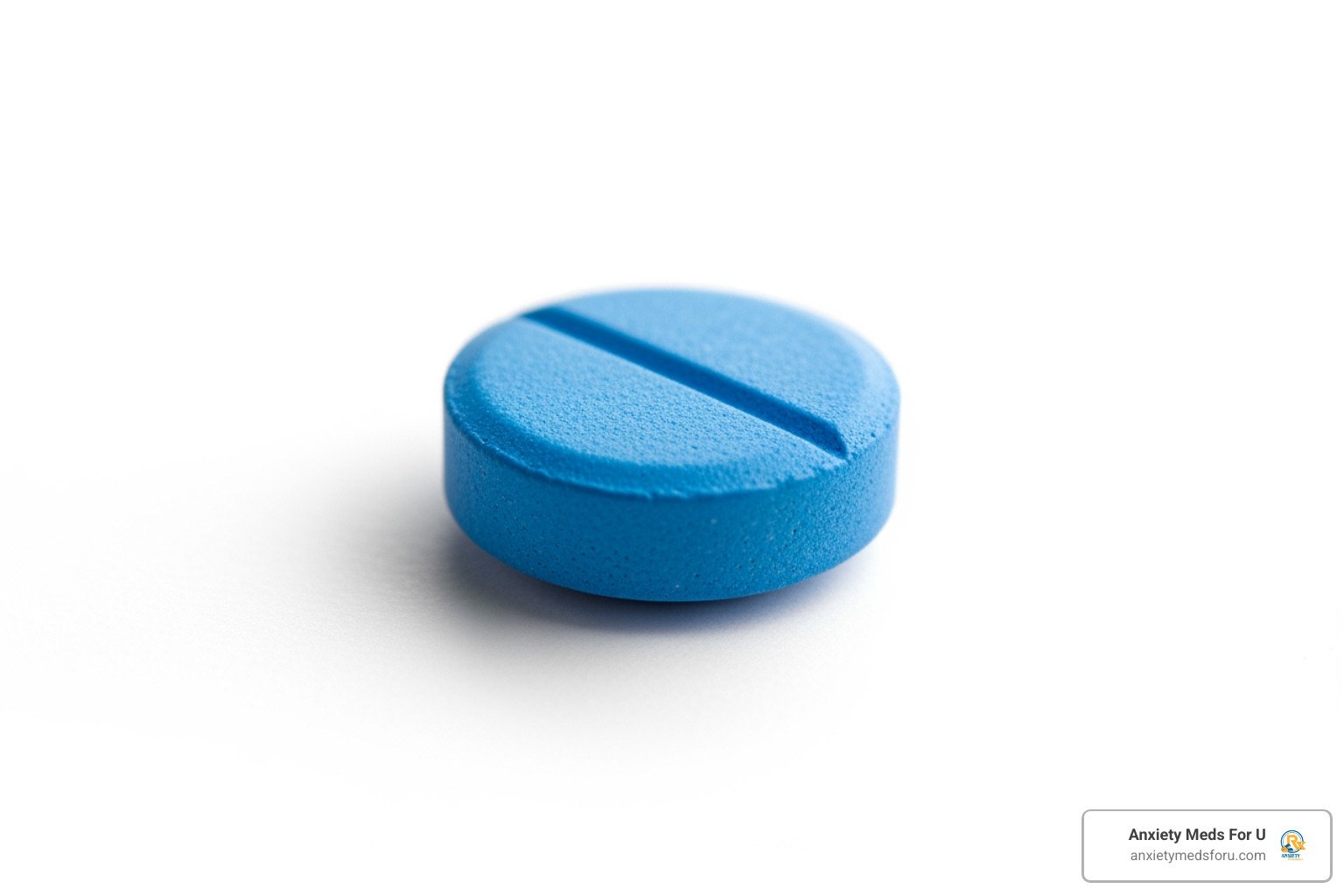
Why Identifying Blue Round Xanax Matters for Your Safety
Blue round Xanax is a commonly prescribed form of alprazolam, a benzodiazepine used to treat anxiety and panic disorders. If you’re identifying this medication, use the details below:
Quick Identification Guide:
- Imprint: 031 R (most common blue round variant)
- Dosage: 1mg of alprazolam
- Manufacturer: Actavis Pharmaceuticals (now Teva)
- Size: Approximately 7mm diameter
- Color: Blue
- Shape: Round, flat-faced
| Feature | Details |
|---|---|
| Active Ingredient | Alprazolam (benzodiazepine) |
| Primary Use | Anxiety disorders, panic attacks |
| DEA Classification | Schedule IV controlled substance |
| Effects Duration | Typically 4-6 hours |
| Onset Time | 20-30 minutes |
Correct identification is crucial for your safety, especially with the rise of counterfeit pills that may contain dangerous substances like fentanyl. Blue round Xanax works by enhancing GABA (gamma-aminobutyric acid) in the brain, calming overactive neurons. This brings rapid relief but also carries a risk of dependence and misuse. Always verify pills by imprint, color, and shape, and obtain medications only from licensed, reputable sources; counterfeits may contain unknown dosages, dangerous additives, or no active ingredient.
I’m Mark. Through our online pharmacy platform, I’ve seen how proper identification and education around blue round Xanax help people use medication safely.

A Visual Guide to Identifying Xanax Pills
When you’re prescribed Xanax (alprazolam), knowing exactly what your medication should look like isn’t just helpful—it’s essential for your safety. Every legitimate prescription medication in the United States comes with a unique imprint code, as required by the FDA. This identifier, combined with the pill’s color and shape, acts as your first line of defense against medication errors and dangerous counterfeits.
Here’s something important to understand: alprazolam is classified as a Schedule IV controlled substance by the Drug Enforcement Administration. This means the DEA recognizes it has legitimate medical uses, but also a real potential for abuse and dependence. Because of this classification, strict regulations govern how it’s manufactured, distributed, and prescribed.
Unfortunately, benzodiazepines like alprazolam are frequently targeted by the illicit market. The DEA has identified alprazolam as one of the two most common benzodiazepines found illegally, which significantly increases your risk of encountering fake or dangerously misdosed pills. This reality makes your ability to identify legitimate medication absolutely critical. For more detailed information, you can review the DEA fact sheet on Benzodiazepines.
To help you recognize the various forms of Xanax you might encounter, here’s a comprehensive comparison:
| Color | Shape | Common Imprints | Typical Dosages | Notes |
|---|---|---|---|---|
| Blue | Round | 031 R | 1mg | Actavis, often called “Blue Football” |
| Blue | Bar (Rectangular) | B707 | 2mg | Breckenridge, sometimes called “Blue Bars” |
| Green | Bar (Rectangular) | S 90 3 | 2mg | DAVA Pharmaceuticals, known as “Hulk Xanax” |
| White | Bar (Rectangular) | X ANA X 2, G 372 2, Y 21 | 0.25mg, 0.5mg, 1mg, 2mg | Most common, often called “Sticks” |
| Yellow | Bar (Rectangular) | R 0 39 | 2mg | Mylan, known as “School Bus” |
| Peach/Orange | Oval/Football | 0.5 | 0.5mg | Lower dose, typically for initial treatment |
The Blue Round Xanax and Other Blue Variants
Let’s talk specifically about the blue round Xanax—the 1mg tablet imprinted with “031 R.” This particular pill comes from Actavis Pharmaceuticals (which is now part of Teva) and is commonly nicknamed a “blue football” because of its distinctive round shape. At 1mg of alprazolam, this represents a moderate-to-high dose, especially when compared to the starter strengths of 0.25mg and 0.5mg.
But blue Xanax comes in more than one form. The B707 blue bar is another prominent variant, containing a higher 2mg dose of alprazolam. While the 031 R is round and compact, the B707 is a rectangular bar with score marks that make it easier to divide into smaller doses.

Both blue variants are potent medications prescribed specifically for anxiety and panic disorders. The blue color comes from FDA-approved colorants that help distinguish these specific dosages and manufacturers from other forms. If you’re interested in learning more about the B707 variant, you can visit our product page: Product: Blue Xanax B707.
Green Xanax Bars (“Hulks”)
Green Xanax bars have earned quite a reputation in the alprazolam world. The most recognizable version bears the imprint “S 90 3” and packs 2mg of alprazolam. Their nickname “Hulk Xanax” comes from both their green color and their considerable potency.

These green bars represent a strong dose and, like all benzodiazepines, require careful medical supervision. They’re typically prescribed for more severe cases of anxiety or panic disorders where lower doses haven’t provided adequate relief. You can learn more about these specific bars here: Green Xanax Bars S 90 3.
White Xanax Bars (“Sticks”)
White Xanax bars are probably the most common and widely recognized form of alprazolam you’ll encounter. Often called “sticks” in street slang, these bars come in a wide range of dosages—from 0.25mg all the way up to 2mg. You’ll find various imprints including “X ANA X 2” and “G 372 2,” among others.

Doctors frequently prescribe white bars because of their dosage versatility. Unfortunately, this widespread availability also makes them a prime target for counterfeiters. If you’re dealing with white Xanax bars, it’s especially important to verify authenticity. For more detailed information, see: White Xanax Bars.
Yellow Xanax Bars (“School Bus”)
Yellow Xanax bars are typically generic versions of alprazolam, most commonly bearing the imprint “R 0 39.” Their bright yellow color and rectangular shape have earned them the street name “school bus.” These bars usually contain 2mg of alprazolam, placing them in the high-potency category.

Don’t let the “generic” label fool you—these yellow bars are just as effective as brand-name Xanax. However, because they’re a high-dose form, the potential for dependence and misuse remains significant. You can find more details on this specific type here: Product: Yellow Xanax R 0 39.
Medical Uses, Side Effects, and Proper Dosage
If you’ve been prescribed Xanax, you’re likely dealing with some form of anxiety that’s significantly impacting your daily life. The medication—with its active ingredient alprazolam—is primarily designed for short-term relief of overwhelming anxiety and panic. It’s not typically meant to be a forever solution, but rather a tool to help you regain stability while you work on longer-term strategies with your healthcare provider.
Xanax works remarkably quickly, usually kicking in within 20 to 30 minutes. This rapid response makes it particularly valuable during acute panic attacks, when you need relief now. The medication is most commonly prescribed for Generalized Anxiety Disorder (GAD)—that persistent, excessive worry that seems to attach itself to everything—and panic disorder, where unexpected panic attacks can strike without warning.
For a comprehensive understanding of how alprazolam works and what conditions it treats, MedlinePlus offers valuable information: Alprazolam information from MedlinePlus.
Common and Serious Side Effects
Here’s the reality: every medication comes with trade-offs. While Xanax can provide significant relief from anxiety, it also brings potential side effects that you should be aware of from day one.
The most common side effect is drowsiness, which affects up to 77% of users—so don’t be surprised if you feel sleepy, especially when you first start taking it. About 21% of people experience dizziness, and roughly 40% notice impaired coordination. This is why you should never drive or operate heavy machinery until you know how the medication affects you personally.
Other frequent side effects include slurred speech (which can be disconcerting but usually temporary), memory problems or mild amnesia (especially for events that happen shortly after taking the medication), dry mouth, constipation, and changes in sex drive or appetite. Some people also notice weight changes, though these vary from person to person.
For more details on these and other common experiences, GoodRx provides a helpful resource: More on Alprazolam side effects.
Now, let’s talk about the serious side effects—the ones that require immediate medical attention. While these are less common, they’re important to recognize. Severe confusion or disorientation that goes beyond normal drowsiness, hallucinations (seeing or hearing things that aren’t there), and seizures (particularly during withdrawal) are all medical emergencies. If you notice yellowing of your skin or eyes (jaundice), this could indicate liver problems. Perhaps most critically, if you experience suicidal thoughts or actions, reach out to your healthcare provider or emergency services immediately. A severe skin rash can also indicate a serious allergic reaction.
Understanding Dosage and Administration
When it comes to blue round Xanax or any form of alprazolam, one size definitely doesn’t fit all. Your doctor will tailor your dosage based on your specific condition, your age, how you respond to the medication, and whether you’re taking other medications.
For anxiety disorders, many doctors start with a low dose—often just 0.25mg taken two or three times daily. This cautious approach allows your body to adjust while your doctor monitors how you respond. For panic disorder, the starting dose might be slightly higher. The typical maximum daily dose for anxiety is around 4mg, though in some severe cases and under strict medical supervision, doctors may prescribe higher amounts.
Xanax comes in two main formulations: immediate-release and extended-release (XR). The immediate-release tablets—like the blue round Xanax 031 R—provide quick relief with effects lasting about 4 to 6 hours. These are ideal for acute anxiety or panic attacks. Extended-release tablets release the medication gradually throughout the day, providing sustained relief without the peaks and valleys. Your doctor will help determine which formulation best suits your needs.
Here’s something crucial that I can’t stress enough: never stop taking Xanax abruptly. Because of how benzodiazepines work in your brain, suddenly stopping can trigger serious withdrawal symptoms, including seizures. Your doctor will guide you through a gradual tapering schedule that slowly reduces your dose over time, allowing your brain chemistry to readjust safely.
If you’re wondering about higher doses, it’s worth understanding that while 3mg daily is above the typical maximum recommended for anxiety, certain conditions might warrant it under careful medical guidance. For more context on what constitutes a high dose, you can read our guide: Is 3 Mg Of Xanax A High Dose.
The bottom line? Xanax can be an effective tool for managing anxiety and panic, but it requires respect, careful monitoring, and open communication with your healthcare provider. Taking it exactly as prescribed isn’t just a suggestion—it’s essential for both effectiveness and safety.
The Dangers of Misuse: Counterfeits, Addiction, and Withdrawal
When discussing blue round Xanax and other forms of alprazolam, we must have an honest conversation about the darker side of these medications. While they can be life-changing for people with anxiety and panic disorders, their effectiveness comes with serious risks you must understand.
The illicit market for Xanax is massive. According to the DEA, alprazolam is one of the two most common benzodiazepines found on the street. People misuse it by taking larger doses than prescribed, more frequently than directed, or—most dangerously—combining it with other substances.
This practice of mixing substances, called polysubstance use, dramatically increases your risk of serious harm. Let me be blunt: combining Xanax with alcohol is potentially deadly. Both are central nervous system depressants, slowing your breathing and heart rate. When mixed, you double down on these effects. The result can be severe respiratory depression, extreme sedation, memory blackouts, coma, or death. The CDC reports that 32% of alprazolam-related deaths involve alcohol—nearly one in three.
The combination of Xanax and opioids is equally terrifying. Both suppress your breathing, and together they can lead to fatal overdose. The Substance Abuse and Mental Health Services Administration (SAMHSA) has documented just how serious this problem is—alprazolam is the most common anxiety or insomnia medication involved in emergency department visits. These aren’t just statistics. They’re real people who thought they were managing their anxiety or just trying to feel better. You can read more about this in the SAMHSA report on drug-related emergency visits.
How to Spot Fake Xanax and the Fentanyl Threat
Here’s something that keeps me up at night: the explosion of counterfeit Xanax pills flooding the market. These fake pills are designed to look identical to the real thing, but they can contain absolutely anything—unknown substances, wildly incorrect dosages, or most alarmingly, lethal amounts of fentanyl.
Fentanyl is a synthetic opioid that’s 50 to 100 times more potent than morphine. A dose the size of a few grains of salt can kill you. Many people who take fentanyl-laced pills have no idea they’re consuming it, leading to accidental overdoses that can happen in minutes.
So how do you protect yourself? Look for these red flags: A pill without any imprint code is definitely fake—legitimate U.S. prescription drugs always have one. Check if the appearance is inconsistent—real Xanax from a licensed pharmacy will be uniform in color, shape, and imprint, while counterfeits often have blurry imprints, uneven coloring, or wonky pressing. If the pill has a crumbly texture or breaks apart easily, that’s a warning sign of poor manufacturing. Real Xanax should be virtually odorless and tasteless, so unusual smells or flavors are concerning. Finally, legitimate medication always comes in professional, sealed packaging with clear labels—loose pills or suspicious packaging should raise immediate alarm bells.

The DEA has issued urgent warnings about the surge in counterfeit pills and the fentanyl crisis: DEA information on counterfeit pills. If you encounter suspicious substances or believe you’ve received counterfeit medication, please report it to local authorities or the FDA. Your report could literally save someone’s life.
Signs of Blue Round Xanax Addiction and Long-Term Risks
Addiction to blue round Xanax or any form of alprazolam can sneak up on you, even when you’re taking it exactly as prescribed. With higher doses or prolonged treatment, dependence can develop surprisingly quickly—sometimes within just days or weeks of consistent use.
Recognizing the warning signs early is crucial. Tolerance is often the first indicator—you find yourself needing increasingly higher doses to feel the same relief. Dependence follows, where you experience withdrawal symptoms if you try to stop or reduce your dose. You might notice compulsive use, continuing to take Xanax even when it’s causing problems at work, in your relationships, or with your health.
Some people engage in doctor shopping, visiting multiple physicians to obtain more prescriptions, or they start buying Xanax from illicit sources or using someone else’s prescription. You might find yourself neglecting responsibilities that used to matter, prioritizing Xanax use over work, school, or family obligations. Physical signs become apparent too—persistent drowsiness, slurred speech, impaired coordination, and memory problems that interfere with daily life.
The long-term risks extend beyond addiction. Research has linked prolonged benzodiazepine use to cognitive impairment, including persistent memory issues, diminished executive function, and an increased risk of dementia. One study found a 30% increased dementia risk after five or more years of use. Approximately 17% of alprazolam users may develop dependency within just 12 months of starting treatment.
For a comprehensive look at the risks associated with alprazolam use, misuse, and withdrawal, this medical review offers valuable insights: Review of Alprazolam Use, Misuse, and Withdrawal.
Managing Xanax Withdrawal Symptoms
Let me be very clear about this: Xanax withdrawal can be severe and potentially life-threatening, especially if you stop taking it abruptly after prolonged use. Because alprazolam has a short half-life, withdrawal symptoms can appear relatively quickly—sometimes within just hours of your last dose.
The withdrawal timeline typically begins with rebound anxiety, where your anxiety returns even worse than before you started treatment. Insomnia and other sleep disturbances often follow, making you feel exhausted but unable to rest. You might experience tremors or muscle spasms, pounding headaches, muscle pain throughout your body, nausea and vomiting, excessive sweating, heart palpitations, and intense irritability or mood swings.
In severe cases, abrupt cessation can lead to seizures, psychosis, and delirium. This is exactly why medically-supervised detox is absolutely essential for anyone discontinuing Xanax. I cannot stress this enough: never try to quit Xanax cold turkey on your own.
A healthcare professional can implement a gradual tapering schedule, often substituting with a longer-acting benzodiazepine, to safely reduce your dose over weeks or months. This approach minimizes withdrawal symptoms and prevents the severe complications that can occur with sudden discontinuation.
If you’re considering reducing or stopping your Xanax, your first step should always be consulting your doctor. They can provide a safe and effective plan custom to your specific situation. For more information on managing anxiety medications and navigating withdrawal, our comprehensive guide offers valuable insights: Anxiety Medication Options Complete Guide.
Frequently Asked Questions about Blue Xanax
People reach out to us all the time with questions about blue round Xanax and other alprazolam variants. I’ve found that the more you understand about your medication, the safer and more confident you’ll feel. Let me address some of the most common questions we receive.
Is a 1mg blue round Xanax considered a strong dose?
When you’re looking at that blue round Xanax pill marked 031 R in your hand, you’re holding what’s considered a moderate-to-high dose. At 1mg, it sits in an interesting middle ground. It’s definitely stronger than the starter doses of 0.25mg and 0.5mg that doctors often prescribe when you’re first beginning treatment. But it’s not quite at the highest end either—those 2mg bars and some 3mg extended-release versions pack a bigger punch.
Here’s what really matters, though: dosage isn’t one-size-fits-all. What works perfectly for your neighbor might be too much or too little for you. Your individual tolerance, body chemistry, the severity of your anxiety or panic disorder, and how long you’ve been taking the medication all play crucial roles. Someone who’s been on alprazolam for months will respond differently than someone taking their first dose. That’s why sticking to exactly what your doctor prescribed is so important—they’ve custom that dosage specifically to your situation.
What does the “031 R” imprint on a blue round pill mean?
That “031 R” stamped on your blue round Xanax is actually telling you quite a bit if you know how to read it. The “031” part is the unique pill identification code for this specific formulation and strength—in this case, 1mg of alprazolam. The “R” stands for the manufacturer, which is Actavis Pharmaceuticals, now part of the larger Teva Pharmaceuticals company.
Think of it as the pill’s fingerprint. This imprint confirms you’re holding a legitimate generic version of Xanax from a recognized pharmaceutical company, not some mystery pill from an unknown source. When you’re verifying your medication—and you absolutely should be—this is one of the key details to check. Every legitimate prescription drug in the United States must have an imprint code like this. If you ever come across a pill claiming to be Xanax but it’s blank or the imprint looks off, that’s a major red flag.
Are there alternatives to Xanax for anxiety?
This is one of the most important questions people ask, and I’m glad you’re thinking about it. Yes, there are definitely alternatives to Xanax for managing anxiety and panic disorders, and many healthcare providers actively explore these options with their patients. Given the potential for dependence and the challenging withdrawal process associated with benzodiazepines, finding the right long-term solution often means looking beyond Xanax.
On the medication front, SSRIs like sertraline, escitalopram, or fluoxetine are often considered first-line treatments for chronic anxiety. They work differently than Xanax—building up in your system over weeks rather than providing immediate relief—but they don’t carry the same dependency risks. SNRIs such as venlafaxine or duloxetine work similarly. Buspirone is another interesting option; it’s a non-benzodiazepine anxiolytic that has a much lower risk of dependence. Some people also benefit from beta-blockers like propranolol, especially when physical symptoms like a racing heart or trembling are their main concerns.
Beyond medication, non-pharmacological approaches can be remarkably effective. Cognitive Behavioral Therapy (CBT) has strong research backing it as a treatment for anxiety disorders, helping you identify and change the thought patterns that fuel your anxiety. Mindfulness practices, meditation, and yoga can help manage stress responses in your body. Regular exercise is proven to reduce anxiety symptoms—sometimes as effectively as medication for mild to moderate cases. Even simple lifestyle adjustments like improving sleep quality, eating a balanced diet, and cutting back on caffeine and alcohol can make a real difference.
The key is having an open, honest conversation with your healthcare provider about what you’re experiencing and what matters most to you in treatment. Some people do best with a combination approach. If you’re interested in exploring medication options, we offer a range of anxiety medications that you can review here: Product Category: Anxiety Medications.
Conclusion
If there’s one thing I hope you take away from this guide, it’s this: knowing what your medication looks like isn’t just about curiosity—it’s about protecting yourself. The distinctive blue round Xanax with its “031 R” imprint, the green “Hulk” bars, the white “sticks,” and the yellow “school bus” pills all have unique identifiers for a reason. These markings are your first line of defense against counterfeit medications that could contain anything from incorrect dosages to deadly substances like fentanyl.
Xanax works remarkably well for anxiety and panic disorders when it’s used responsibly and under proper medical supervision. That rapid relief it provides—usually within 20 to 30 minutes—can be life-changing for someone in the grip of a panic attack. But that same power demands respect. The potential for dependence is real, withdrawal can be dangerous, and the illicit market has made counterfeit pills a genuine threat to your safety.
I can’t stress enough the importance of obtaining your medication only from licensed, reputable sources. At Anxiety Meds For U, we understand that managing anxiety shouldn’t come with financial stress, which is why we offer everyday medications at reduced prices with fast, discreet shipping. But beyond convenience and affordability, your safety is what matters most to us. We’re committed to providing legitimate medications and the information you need to use them wisely.
If you ever find yourself unsure about a pill’s authenticity, don’t take chances. Verify the imprint, check the color and shape, and if something feels off, consult your pharmacist or healthcare provider immediately. For a comprehensive visual reference of different Xanax types and their identifying features, I encourage you to explore our detailed guide on What Does Xanax Look Like.
Managing anxiety is a journey, and having the right information is just as important as having the right medication. Stay informed, stay cautious, and never hesitate to ask questions—whether it’s to your doctor, your pharmacist, or us. Your well-being is worth that extra moment of verification.


